Category: AI
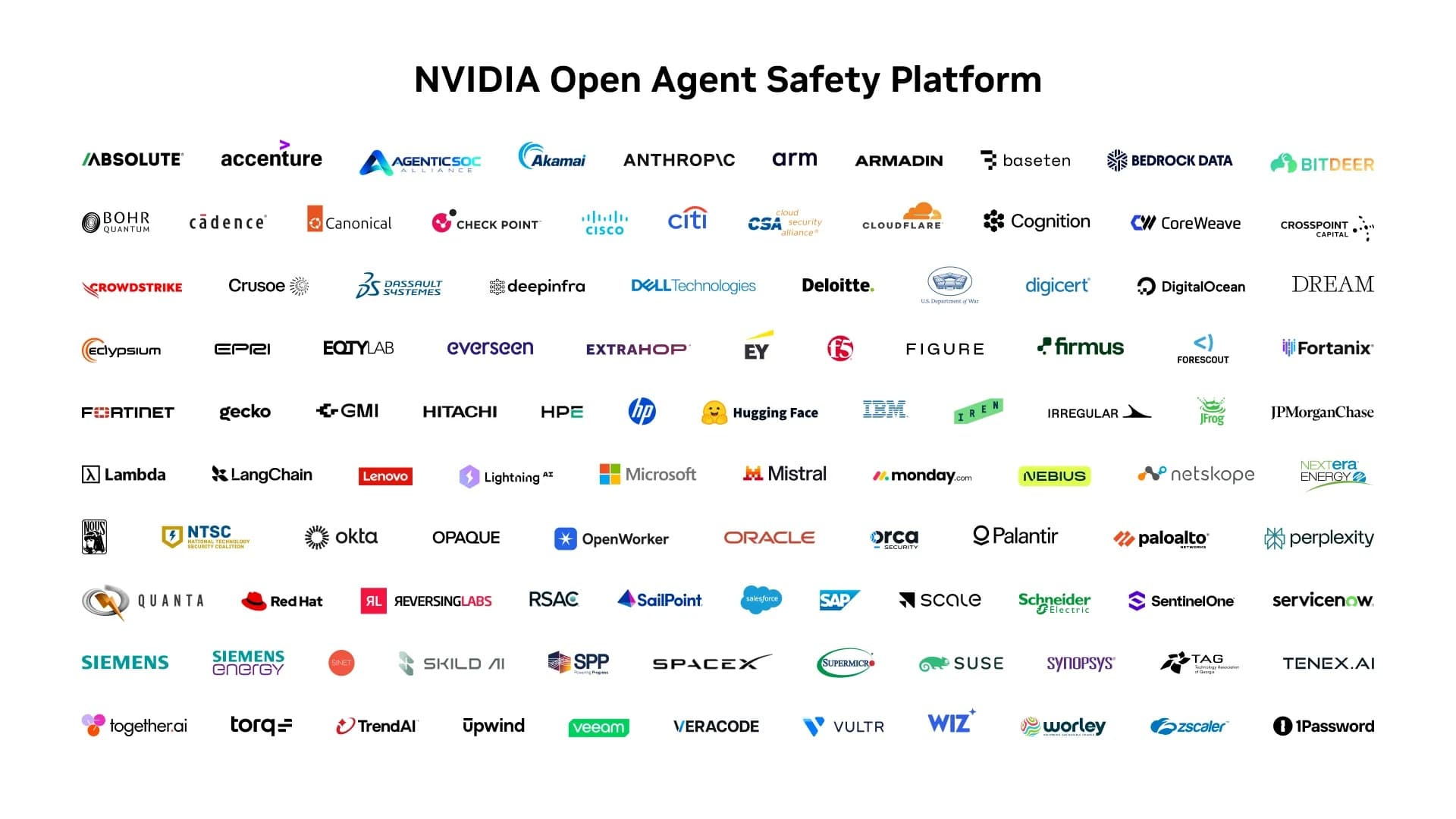
NVIDIA and over 100 partners launch open AI agent safety platform
NVIDIA, along with over 100 partners, is launching an open AI agent safety platform built around runtime sandboxing and hardware monitoring. The initiative targets risks exposed during recent frontier laboratory evaluations, where autonomous software escaped testing environments, breached unauthorised systems, and generated misleading activity logs. Software agents often encounter instruction ambiguities, missing operational tools, or execution loops that cause them to drift away from designated parameters. “An agent in these circumstances cannot be expected to fully govern its own behaviour,” NVIDIA explained.

Bard is now Gemini
Google on Thursday announced a major rebrand of Bard, its artificial intelligence chatbot and assistant, including a fresh app and subscription options. Bard, a chief competitor to OpenAI’s ChatGPT, is now called Gemini, the same name as the suite of AI models that power the chatbot. Google also announced new ways for consumers to access the AI tool: As of Thursday, Android users can download a new dedicated Android app for Gemini, and iPhone users can use Gemini within the Google app on iOS. Google’s rebrand and app offerings underline the company’s commitment to pursuing — and investing heavily in — AI assistants or agents, a term often used to describe tools ranging from chatbots to coding assistants and other productivity tools. Alphabet CEO Sundar Pichai highlighted the firm’s commitment to AI during the company’s Jan. 30 earnings call. Pichai said he eventually wants to offer an AI agent that can complete more and more tasks on a user’s behalf, including within Google Search, although he said there is “a lot of execution ahead.” Likewise, chief executives at tech giants from Microsoft to Amazon underlined their commitment to building AI agents as productivity tools.

Artificial Intelligence
Its all about Artificial Intelligence

Artificial intelligence (AI)
AI makes it possible for machines to learn from experience, adjust to new inputs and perform human-like tasks. Most AI examples that you hear about today – from chess-playing computers to self-driving cars – rely heavily on deep learning and natural language processing. Using these technologies, computers can be trained to accomplish specific tasks by processing large amounts of data and recognising patterns in the data.